Introduction To The Joomla Content Management System
Joomla! is one of the most powerful Content Management Systems on the planet. It is used all over the world for everything from simple websites to complex corporate applications. Joomla is easy to install, simple to manage, and reliable, and offers the perfect balance of power, flexibility and ease of use. It is Open Source and free. In this, the first in a series of introductory articles we try to answer some of the most Frequently Asked Questions we get asked when we first tell people about Joomla.
What is a Content Management System – How will it help me?
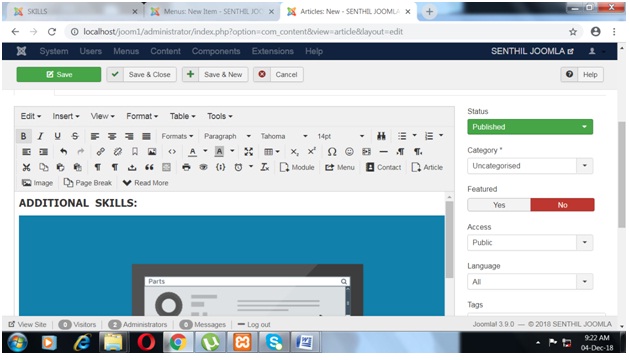
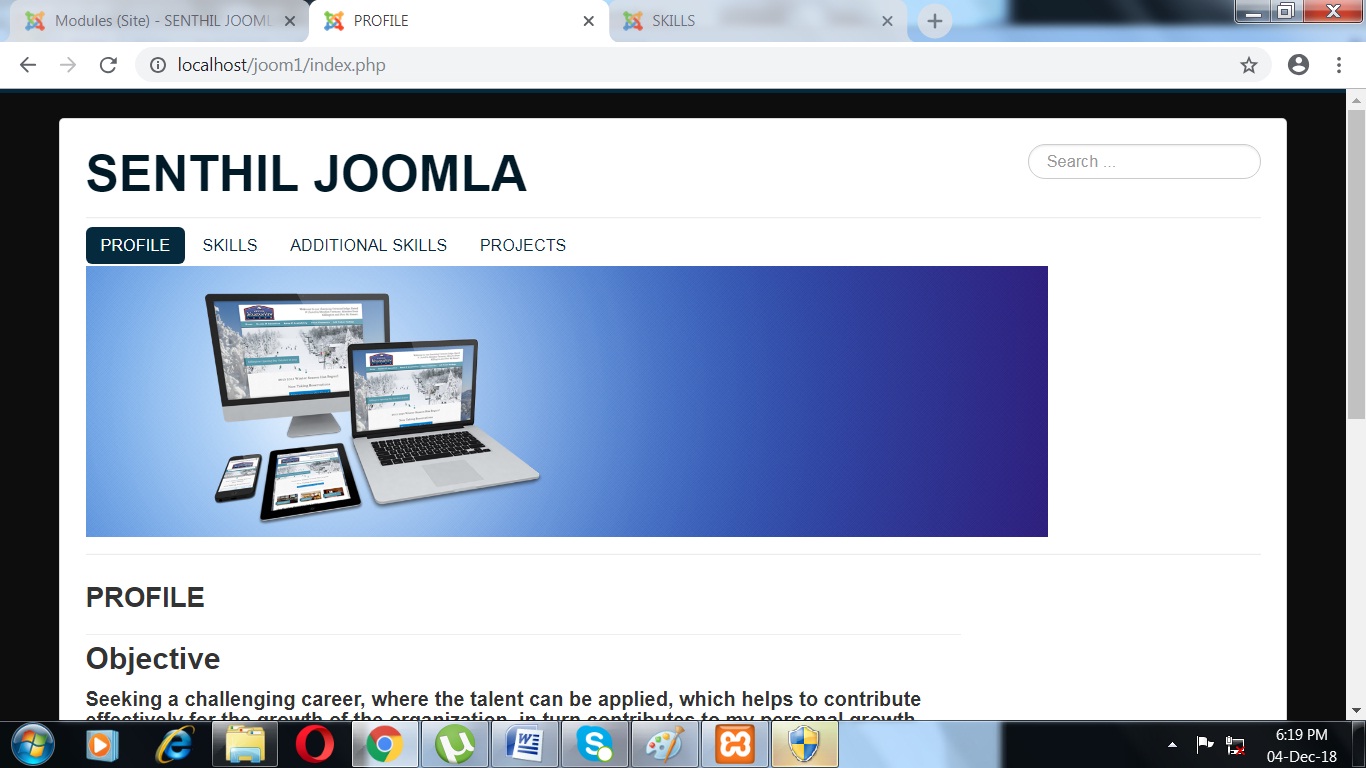
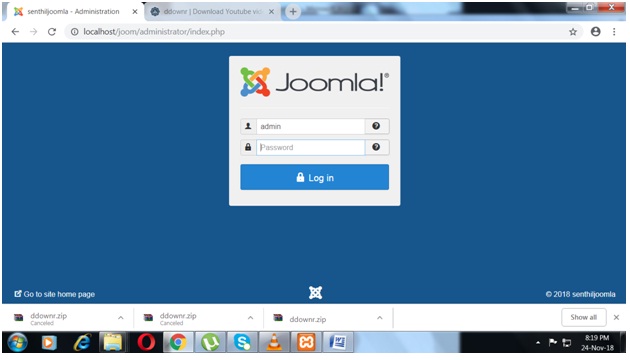



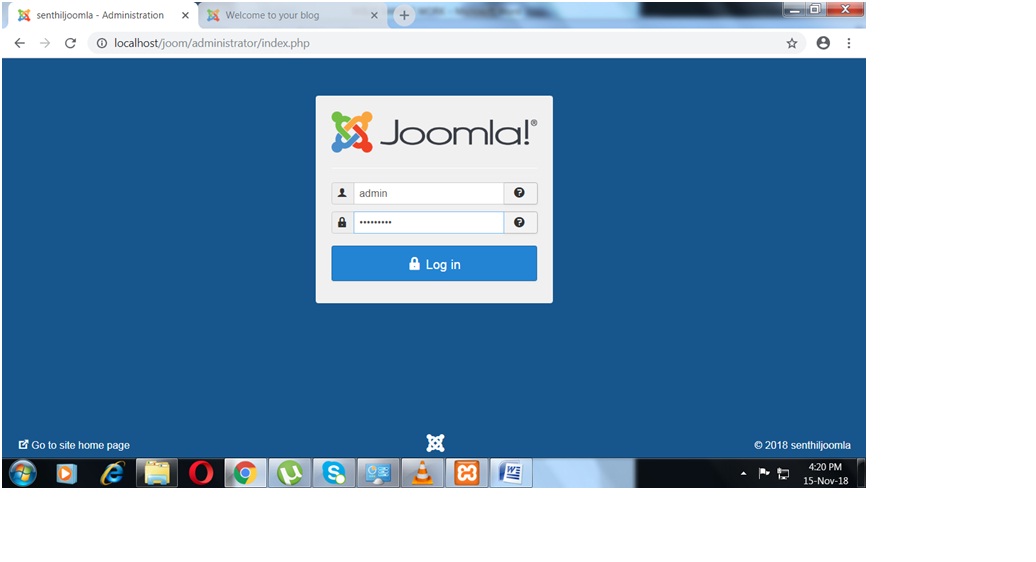
A Content Management System is a system through which you build and manage your website. Rather cleverly, you use your website to build your website.
A Content Management System separates the design and management of your website and site navigation from the process of entering (and displaying) your content. If you have ever built a website manually, that ran to more than 10 pages, you have probably run into the problems associated with adding new pages, or groups of new pages. It becomes difficult to add your new pages to the menu of every existing page. A Content Management System handles the Menu’s, breadcrumbs and any other navigational aids for you. This leaves you (and your team) free to concentrate on your writing.
If you ever decide to change the look and feel of an entire site that was built manually – then you have a really large job on your hands. With a Content Management System or CMS the site is driven by templates into which your content is inserted on the fly. In this way the entire look of your site can be changed with the press of a button.
Other reasons to use a Content Management System like Joomla?
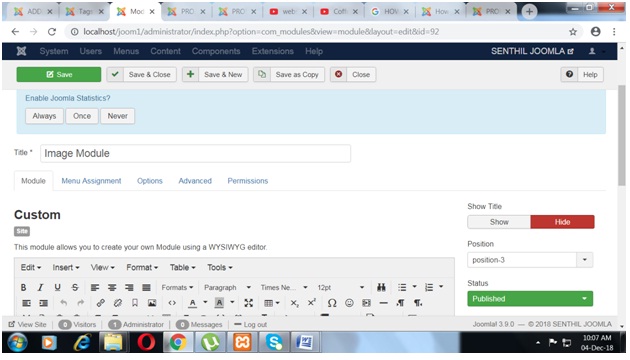
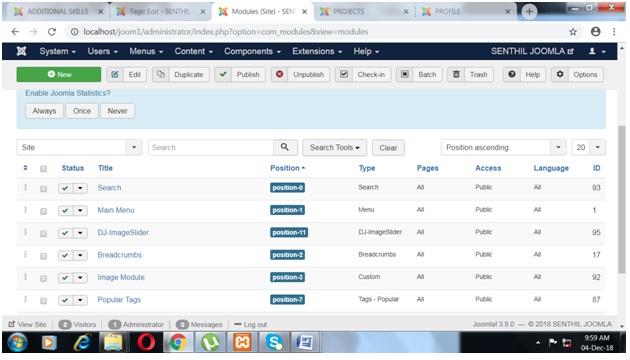
Because a CMS works in a dynamic manner, retrieving your writing from a database and incorporating it into your current template to build your page, there are other things it can do while it is at it. Your main content is integrated into the ‘central’ part of the page but around the periphery of the page other ‘modules’ can be carrying out related tasks. Lists of ‘most popular’, ‘most recent’ or ‘related’ articles can be integrated into your page, polls allowing people to vote on issues, newsletter sign-up can be integrated. There are modules for PayPal donations, etc.
 R.SENTHILKUMAR